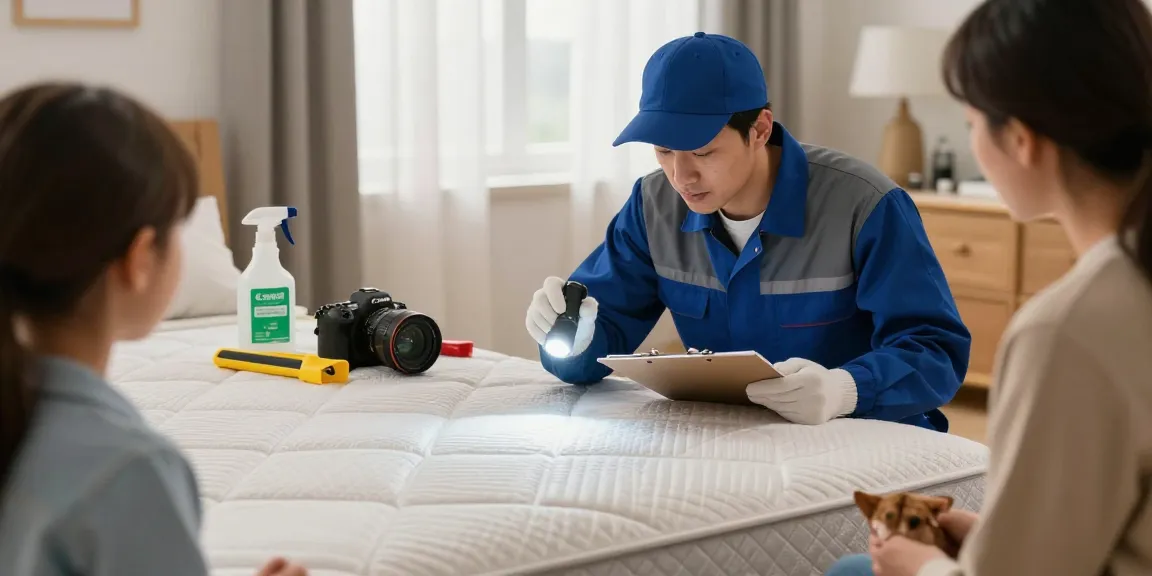
Understanding Bed Bug Infestations
Bed bugs are notorious pests that can disrupt sleep and cause significant distress. Understanding the characteristics and behaviors of these insects is crucial for effective treatment and bed bug removal. They are small, flat, and oval-shaped, making it easy for them to hide in various household items, such as mattresses, bed frames, and furniture. By gaining insight into their habits, we can better prepare for prevention and eradication efforts.
What Are Bed Bugs and Where Do They Hide?
Bed bugs (Cimex lectularius) are parasitic insects that feed primarily on human blood. They are most commonly found in places where people sleep, including homes, hotels, and dormitories. Their flattened bodies allow them to easily hide in tiny crevices, making them difficult to detect. Common hiding spots include:
- The seams of mattresses
- Bed frames and headboards
- Baseboards and cracks in walls
- Behind loose wallpaper and electrical outlets
Common Signs of a Bed Bug Infestation
Identifying a bed bug infestation early can significantly impact the success of eradication efforts. Look for the following signs:
- Itchy red welts on the skin, often in lines or clusters
- Small bloodstains on bedding or upholstered furniture
- Dark spots of excrement on sheets, mattresses, and other surfaces
- Evidence of shed skins or eggs in hiding spots
Life Cycle and Behavior of Bed Bugs
The life cycle of bed bugs consists of several stages: egg, nymph, and adult. Female bed bugs can lay up to 500 eggs in their lifetime, making rapid infestations possible. Each nymph stage requires a blood meal to molt into the next stage. Bed bugs are nocturnal and feed primarily at night, but they can also feed during the day if necessary. Understanding their reproduction and feeding behavior is essential in developing effective treatment plans.
Effective Bed Bug Removal Techniques
Several techniques are effective in the elimination of bed bugs, each with its advantages and drawbacks. Knowing which methods to use can lead to successful eradication.
Heat Treatment: A Proven Solution
Heat treatment is one of the most effective methods for eliminating bed bugs. By raising the temperature in infested areas to a level that is lethal to these pests, heat treatment targets all life stages, including eggs. This eco-friendly approach does not rely on chemicals, making it a preferred option for many homeowners concerned about the safety of their family and pets. Heat treatment is also known to provide immediate relief from bed bugs if conducted by professionals.
Chemical Treatments: When and How to Use
Chemical treatments are often used in conjunction with other methods to ensure comprehensive elimination. Professional pest control services utilize commercial-grade insecticides that provide residual effects, lasting up to 120 days. These chemicals can create a protective barrier against re-infestation. However, it is crucial to follow safety guidelines and prepare your home adequately when using these substances.
DIY Methods and Their Limitations
While some homeowners may attempt do-it-yourself methods, they often lack the effectiveness required to tackle established infestations. Typical DIY approaches include using alcohol- or soap-based sprays. However, these methods are primarily effective only on direct contact and do not address hidden bed bugs. A thorough inspection by professionals is recommended if you suspect an infestation.
Choosing the Right Exterminator
Selecting a reputable pest control service is critical to successful bed bug removal. Not all exterminators have the same level of expertise or treatment options, so due diligence is essential.
What to Look for in a Pest Control Service
When searching for a pest control service, consider the following factors:
- Experience and specialization in bed bug treatment
- Variety of treatment options (heat, chemical, etc.)
- Transparent pricing and service guarantees
- Positive customer reviews and testimonials
Questions to Ask Before Hiring
Before hiring a pest control company, ask the following questions:
- What methods do you use for bed bug extermination?
- How long does the treatment process take?
- Are your methods safe for children and pets?
- What follow-up services do you offer?
Cost Considerations for Bed Bug Removal
The cost of bed bug removal can vary depending on the severity of the infestation and the chosen treatment methods. On average, chemical treatments and heat treatments can range significantly in price. It is essential to weigh the cost against the quality of service and potential long-term savings from preventing future infestations.
Preventing Future Infestations
Prevention is key to ensuring that bed bugs do not return after treatment. Implementing specific strategies can help safeguard your home against future invasions.
Best Practices to Keep Your Home Bed Bug-Free
To minimize the risk of bed bug infestations:
- Regularly inspect your sleeping area and belongings
- Use protective covers on mattresses and pillows
- Declutter your home to eliminate hiding spots
- Vacuum frequently and dispose of vacuum bags promptly
Travel Tips to Avoid Bringing Bed Bugs Home
Traveling increases the risk of unintentionally bringing bed bugs back to your home. Follow these tips to safeguard your belongings:
- Inspect hotel rooms for signs of bed bugs before unpacking
- Store luggage on hard surfaces, such as tables or luggage racks
- Wash and dry clothing on high heat immediately upon returning home
- Keep travel bags zipped and off the floor
Monitoring and Maintenance Strategies
Once treatment is complete, maintaining a bed bug monitoring strategy can help catch any potential re-infestation early:
- Schedule regular professional inspections
- Use detection tools, such as traps or monitoring devices
- Educate family members about identifying signs of bed bugs
Frequently Asked Questions About Bed Bug Removal
How can I tell if I have bed bugs?
Signs of bed bugs include itchy welts on your skin, bloodstains on sheets, and dark spots of fecal matter. If you suspect bed bugs, a thorough inspection is necessary.
What should I do if I find bed bugs?
If you find bed bugs, it is critical to contact a professional pest control service immediately to assess and treat the infestation.
How long does treatment take to be effective?
Depending on the treatment method used, you may see immediate results with heat treatments, while chemical treatments may take several weeks to fully eliminate the infestation.
Are there any health risks associated with bed bugs?
While bed bugs are not known to transmit diseases, their bites can cause allergic reactions and lead to secondary infections due to scratching.
What are the costs involved in professional bed bug removal?
The cost can vary widely based on the extent of the infestation and the methods employed. It is advisable to obtain multiple quotes and inquire about what each service includes.