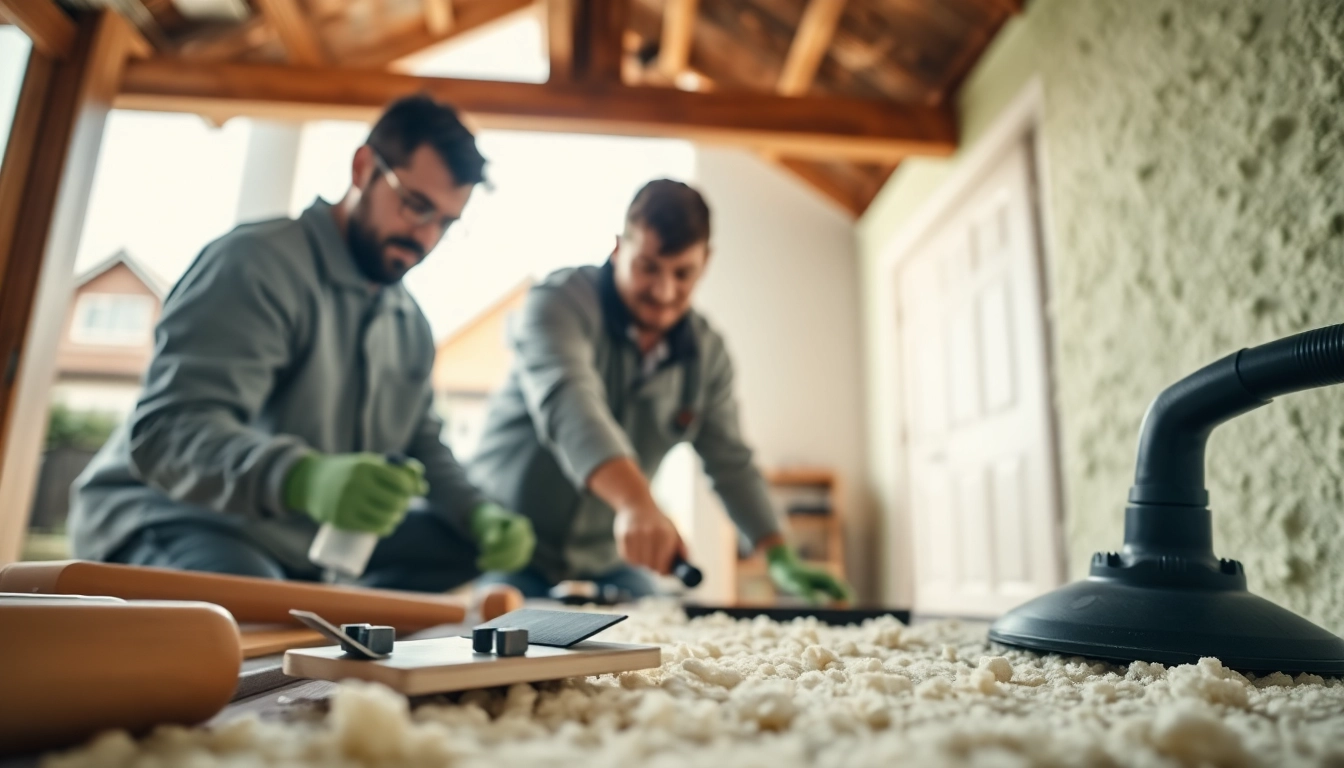
Understanding Spray Foam and Its Removal Process
What is Spray Foam Insulation?
Spray foam insulation is a popular choice for homeowners and builders seeking efficient thermal insulation and air sealing. This material, comprised of polyurethane or similar compounds, expands upon application to fill gaps and cracks, thereby creating a robust envelope that enhances energy efficiency. It adheres seamlessly to various surfaces, such as wood, metal, concrete, and more, resulting in a durable barrier against air infiltration and moisture. Despite its benefits, some situations might necessitate the removal of spray foam insulation, prompting the need for a comprehensive understanding of the process involved.
Common Reasons for Spray Foam Removal
There are several reasons homeowners may find themselves needing spray foam removal West Sussex. Issues can stem from improper application, aging materials, or even changing building codes. Other factors include:
- Mold Growth: If moisture gets trapped, it can lead to mold proliferation, necessitating removal for health considerations.
- Improper Installation: Poor application can create air leaks or gaps, which compromise insulation effectiveness.
- Health Concerns: Some individuals may have adverse reactions to the chemicals used in spray foam.
- Renovations or Upgrades: Home remodels may require the removal of insulation to accommodate new structures or materials.
Understanding the Removal Methods
There are various removal methods depending on the installation type and extent of insulation. Common techniques include mechanical scraping, chemical solvents, and even thermal methods that soften the foam for easier removal. Professionals may assess the specific conditions at hand, from how long the foam has been installed to its location within the structure, to determine the most effective method.
Identifying Issues with Existing Spray Foam Insulation
Signs That Removal is Necessary
Identifying the need for spray foam insulation removal can be critical in preventing further damage or health risks. Signs that indicate removal is necessary include:
- Visible Damage: Cracking, sagging, or deterioration in the foam itself.
- Moisture Issues: Water stains or mold growth on walls or ceilings where foam is applied.
- Unpleasant Odors: Persistent chemical smells or mustiness can suggest deteriorating materials.
- Health Symptoms: Persistent allergy-like symptoms may indicate that the insulation is causing issues.
Health Concerns Related to Spray Foam
While spray foam insulation is generally safe once cured, improper installation or aging materials can lead to health issues. Some concerns include:
- Off-Gassing: Newly installed spray foam can release volatile organic compounds (VOCs) into the air.
- Allergic Reactions: Some individuals may develop sensitivities to the chemicals used in the foam.
- Mold Growth: Trapped moisture can foster harmful mold, impacting indoor air quality.
Evaluating Damage and Risks
When assessing damage, professionals will consider the extent of deterioration, the presence of moisture or mold, and the potential health risks associated with the existing foam. A thorough inspection might also include testing for air quality and moisture content to ensure a comprehensive understanding of any immediate concerns and long-term implications.
Step-by-Step Guide to Efficient Spray Foam Removal
Tools and Equipment Needed
Effective spray foam removal requires specific tools and equipment to ensure safety and efficiency. Essential items include:
- Safety Gear: Protective eyewear, gloves, and masks rated for chemical exposure.
- Utility Knife: For cutting through foam layers.
- Heat Gun: To soften foam for easier scraping.
- Scrapers: Various types of scrapers for removing softened foam.
- Vacuum: A HEPA filter vacuum to collect dust and debris post-removal.
Safety Precautions and Best Practices
Safety is paramount during spray foam removal. Implementing proper measures can significantly reduce risk. Here are some best practices:
- Ventilation: Ensure the area is well-ventilated to minimize inhalation of fumes.
- Protective Equipment: Always wear appropriate safety gear to limit exposure to harmful substances.
- Work Slowly: Take time to avoid damaging underlying structures or causing further contamination.
- Dispose Responsibly: Follow local regulations for disposing of hazardous materials and construction waste.
Debris Management and Cleanup
After removal, proper debris management is crucial. This includes:
- Bagging Removes Material: Ensure to place removed material into plastic bags for safe disposal.
- Clean the Area: Use HEPA vacuums to clean up dust and small debris.
- Inspect for Residual Chemicals: Check for any lingering odors or chemical residues and clean as necessary.
Post-Removal Solutions and Alternatives
Choosing Replacement Insulation Options
After successful removal, homeowners can explore various insulation options such as fiberglass batts, cellulose insulation, or even newer spray foam products that are applicably healthier. Each option has its advantages and disadvantages based on thermal resistance, cost, and installation technique. It’s crucial to evaluate which follows the latest building codes and meets individual needs.
Long-Term Maintenance Tips
Once replacement insulation is installed, maintaining its effectiveness is vital. Key maintenance tips include:
- Regular Inspections: Carry out routine checks for signs of damage or moisture intrusion.
- Improve Ventilation: Ensuring proper airflow can prevent future moisture accumulation.
- Address Repairs Promptly: Quickly fix any leaks or cracks to uphold insulation integrity.
Hiring Professionals vs. DIY Removal
The decision to hire professionals or DIY will depend on several factors. While DIY approaches can save money, they also require significant attention to safety and effectiveness. Professionals bring expertise, specialized tools, and knowledge about local regulations, reducing the risk of health concerns or further property damage. Depending on the extent of removal, the complexity of the installation, and personal comfort levels, this decision will vary by individual.
FAQs About Spray Foam Removal Services
How long does spray foam removal take?
Removal typically takes 1-3 days, depending on the area size, type of foam, and presence of complications like mold or moisture.
Is spray foam removal safe for my home?
When done correctly by trained professionals, spray foam removal is safe and minimizes risks associated with exposure and damage.
What are the costs involved in removal?
Costs can vary widely, ranging from hundreds to thousands of dollars, depending on the foam type, size of the area, and additional repairs necessary.
Can I replace spray foam myself?
Although possible, replacing spray foam safely usually requires professional knowledge to ensure proper installation and compliance.
What should I do after removal?
After removal, consider replacing the insulation, conducting repairs, and implementing preventive measures to avoid future issues.