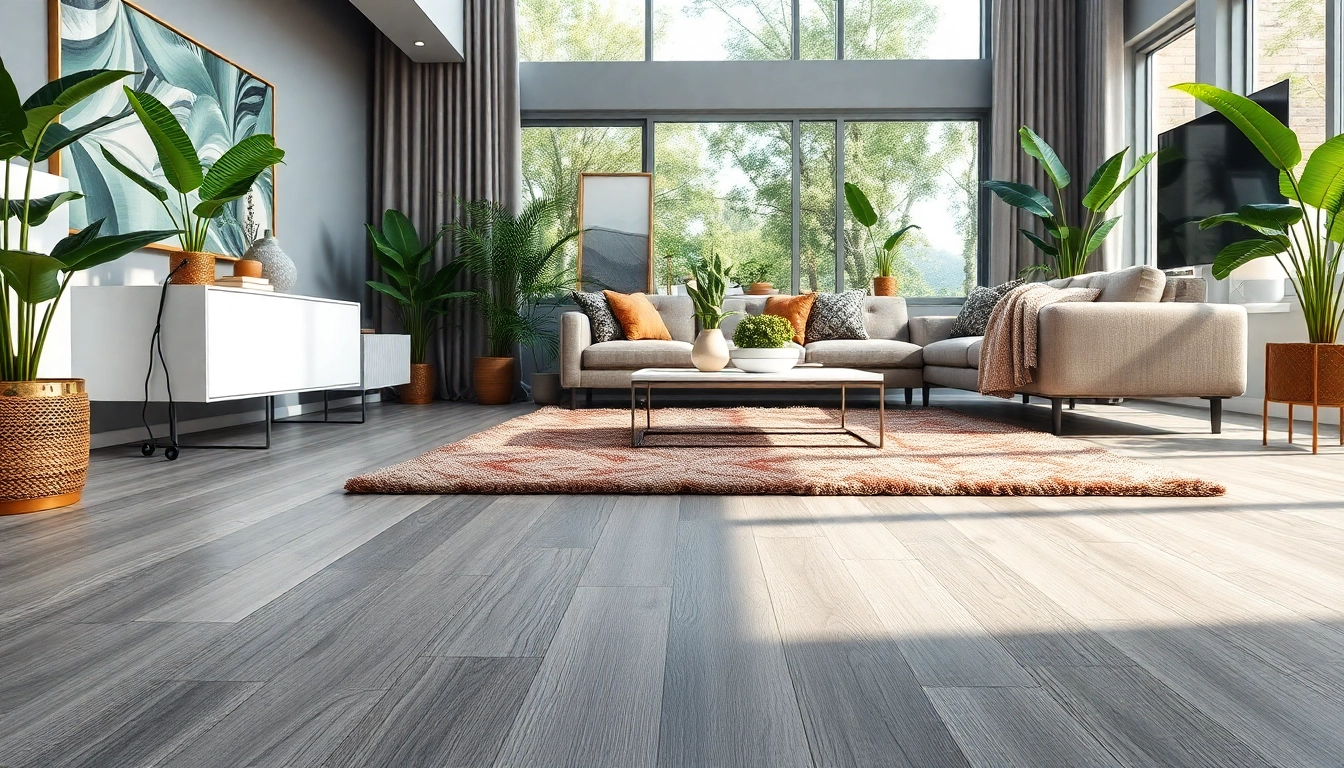
Understanding Waterproof LVP Flooring
What is Waterproof LVP Flooring?
Waterproof LVP flooring, or luxury vinyl planks, is an innovative type of flooring designed to mimic the appearance of natural wood or stone while offering superior durability and water resistance. This flooring option is made from multiple layers, including a waterproof core, a design layer that provides the aesthetic appeal, and a protective wear layer that enhances longevity. This makes waterproof LVP flooring an ideal choice for households and commercial spaces alike, especially in areas prone to moisture such as kitchens, bathrooms, and basements. If you’re considering an upgrade, waterproof lvp flooring could be the solution that combines aesthetics with practicality.
Benefits of Waterproof LVP Flooring
The benefits of waterproof LVP flooring are extensive. First and foremost is its resilience against moisture and spills, making it an excellent choice for busy households with children and pets. Its low maintenance requirements are another appealing aspect; simple sweeping and mopping are generally all that’s needed to keep it looking new. Additionally, waterproof LVP flooring is known for its comfort underfoot and sound-dampening properties, providing a quieter and warmer environment compared to traditional tile or hardwood floors. Lastly, the flooring is available in a myriad of styles and colors, allowing homeowners to personalize their space without compromising on functionality.
Materials Used in Waterproof LVP Flooring
Waterproof LVP flooring is constructed from high-quality synthetic materials. The primary components include polyvinyl chloride (PVC), which gives the planks their waterproof properties; fiberglass, which contributes to stability; and a printed vinyl layer that creates the desired design. The wear layer, often made from urethane or other advanced polymers, protects against scratches, stains, and fading, ensuring the floor retains its original beauty for years. Understanding these materials lays the foundation for appreciating the performance and longevity of waterproof LVP flooring.
Versatility in Design
Styles and Finishes of Waterproof LVP Flooring
One of the standout features of waterproof LVP flooring is its versatility. It is available in an array of styles and finishes that can complement various interior design themes. Whether you prefer a rustic farmhouse look with distressed wood visuals or a sleek modern aesthetic with minimalist designs, there’s something for everyone. Various textures, such as embossed surfaces, add realism and tactile appeal to the planks, enabling homeowners to create a unique atmosphere in their spaces.
Combining Waterproof LVP Flooring with Home Décor
The adaptability of waterproof LVP flooring extends beyond style; it also works harmoniously with different home décor elements. Color matching is pivotal when selecting flooring, as the right hue can enhance furniture and wall paint. This flooring can be paired with area rugs, drapes, and even cabinetry for a cohesive look that is both functional and appealing. Accent pieces can effectively draw attention to the flooring while contributing to an overall balanced ambiance throughout the room.
Color Trends for Waterproof LVP Flooring
Color trends in flooring evolve, but certain tones remain timeless. Currently, grey tones have gained immense popularity due to their versatility and ability to match with various design schemes. Earthy neutrals also remain sought after, bringing warmth and simplicity to home design. Additionally, bolder colors like blues and greens are becoming more mainstream, offering a refreshing contrast that can invigorate a room. Understanding current and emerging color trends helps homeowners choose waterproof LVP flooring that reflects their style and enhances their living space.
Installation Process
Preparing for Waterproof LVP Flooring Installation
Before installing waterproof LVP flooring, preparation is key to achieving optimal results. The first step is choosing the right underlayment, which can assist with moisture control and sound dampening. Next, the existing floor must be cleaned and, if necessary, leveled to provide a smooth surface for installation. It’s important to allow the flooring to acclimate to the room’s temperature and humidity by leaving it in the installation space for a minimum of 48 hours. This step prevents future issues like warping or buckling.
DIY vs. Professional Installation
Deciding between DIY installation and hiring professionals depends on several factors, including experience, budget, and size of the project. DIY installation of waterproof LVP flooring is feasible for those with basic skills, as planks often feature click-lock mechanisms that simplify the process. However, professional installation ensures precision and may come with warranties covering workmanship. Evaluating these options helps homeowners make informed decisions that suit their circumstances.
Post-Installation Care for Waterproof LVP Flooring
Post-installation care is crucial for maintaining the appearance and durability of waterproof LVP flooring. Regular cleaning should be done using a soft broom or vacuum designed for hard surfaces, followed by mopping with a damp cloth or a manufacturer-recommended cleaner. It is essential to avoid harsh chemicals or abrasive tools that could damage the finish. Furthermore, placing doormats at entrances can minimize dirt and debris accumulation, prolonging the aesthetics and longevity of the flooring.
Cost and Value Analysis
Understanding the Pricing of Waterproof LVP Flooring
The pricing of waterproof LVP flooring can vary based on several factors, including brand, thickness, and design complexity. Generally, costs range from moderately priced options to high-end luxury designs. Thicker planks are often more durable and provide better sound insulation, which can influence the cost. Additionally, promotional sales and regional pricing differences must be considered when budgeting for your flooring project.
Value Proposition of Investing in Waterproof LVP Flooring
Investing in waterproof LVP flooring can yield significant long-term benefits. Its durability and resistance to water damage reduce the need for replacements, thus offering a better overall value compared to less resilient flooring. Furthermore, the aesthetic appeal and versatility of this flooring can enhance property value, making it an attractive option for homeowners and property investors alike.
Comparative Cost Analysis with Other Flooring Options
When compared to other flooring options, waterproof LVP flooring often stands out in terms of both cost efficiency and functionality. While traditional hardwood may offer aesthetic appeal, it generally comes with a higher price tag and maintenance demands. Tiles and laminated products may be less expensive initially, but they often lack the same level of comfort and moisture resistance that LVP provides. Understanding these comparisons can guide homeowners in making informed decisions that suit their financial and practical needs.
FAQs about Waterproof LVP Flooring
Is waterproof LVP flooring suitable for all rooms?
Yes, waterproof LVP flooring is versatile and suitable for various rooms, including kitchens, bathrooms, and basements, where moisture may be a concern.
How do I clean and maintain waterproof LVP flooring?
Cleaning is simple; regularly sweep or vacuum and occasionally mop with a damp cloth. Use manufacturer-recommended cleaners for maintaining the finish.
Can waterproof LVP flooring be installed over existing floors?
Yes, waterproof LVP flooring can often be installed over existing flooring, provided the surface is clean, smooth, and free from damage.
What are the environmental impacts of waterproof LVP flooring?
Waterproof LVP flooring can be made from recycled materials and is recyclable. However, check specific brand practices to ensure sustainability during production.
How long does waterproof LVP flooring last?
With proper maintenance, waterproof LVP flooring typically lasts between 10 to 30 years, significantly depending on the quality and installation methods used.