
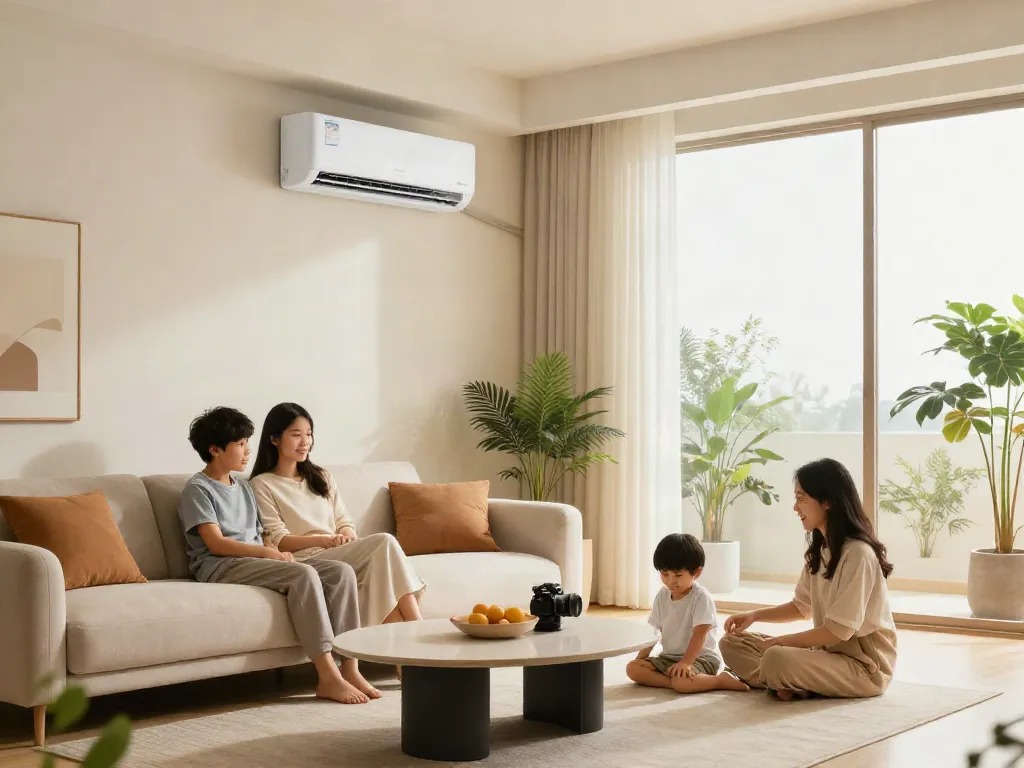
Understanding the Mini Split of Air Conditioner
For homeowners seeking a versatile and efficient cooling solution, the mini split of air conditioner has emerged as a top choice. The ability to provide both cooling and heating without ductwork makes mini splits an attractive option, especially for rooms that lack traditional HVAC systems. This article delves into the essential aspects of mini split air conditioning systems, exploring their functionality, benefits, and the factors to consider when selecting the right unit for your needs.
What is a Mini Split Air Conditioner?
A mini split air conditioner, also known as a ductless mini split system, is a compact HVAC unit that consists of an indoor and outdoor component. The indoor unit is mounted on walls or ceilings in specific rooms, while the outdoor unit is installed outside the home. This system operates without ductwork, making it ideal for homes where duct installation is impractical or costly.
Mini splits can provide both cooling and heating, functioning as heat pumps. They use refrigerant to transfer heat from the inside to the outside when cooling, and vice versa during heating. The absence of ducts not only saves energy but also increases efficiency, as there is no energy loss typically associated with ducted systems.
How Mini Split Systems Work
Mini split systems operate using the principle of heat exchange. The indoor unit contains an evaporator coil that absorbs heat from the indoor air. The refrigerant inside the coil evaporates, absorbing heat, and then is compressed by the compressor located in the outdoor unit. This process raises the refrigerant's temperature, allowing it to release the heat outside. The now-cooled refrigerant returns to the indoor unit to repeat the cycle.
This system allows for independent temperature control of different rooms or zones, enhancing comfort and energy savings. Users can adjust settings for each indoor unit, providing tailored heating or cooling based on individual preferences.
Benefits of Choosing Mini Split Systems
- Energy Efficiency: Mini split systems can achieve high SEER (Seasonal Energy Efficiency Ratio) ratings, often higher than traditional central air systems.
- Flexible Installation: Without the need for ductwork, these systems can be installed in various locations, including tight spaces, and are available in multiple styles.
- Zone Control: Homeowners can set different temperatures in various rooms, ensuring personalized comfort and further optimizing energy use.
- Quiet Operation: Mini split units operate quietly, making them suitable for bedrooms and other noise-sensitive areas.
Choosing the Right Mini Split for Your Home
When it comes to selecting a mini split air conditioner, several factors must be taken into account to ensure optimal performance and comfort. Understanding your home’s specific requirements can guide you toward the best choice.
Factors to Consider When Selecting a Mini Split
- Room Size: Accurate sizing is crucial. Units are available with various BTU (British Thermal Unit) ratings, and selecting the right size based on the square footage of your room will enhance efficiency.
- Climate Zone: Different climates may require varying cooling and heating capacities. Consider local weather patterns when choosing your system.
- Energy Efficiency: Look for models with high energy efficiency ratings (SEER, HSPF) to save on utility bills and reduce environmental impact.
- Noise Levels: Evaluate the noise rating of both the indoor and outdoor units, especially if the unit will be installed in a quiet area.
Mini Split Size and Capacity Explained
Choosing the appropriate size and capacity for your mini split unit is critical to achieving a comfortable living environment. A general rule of thumb is to aim for 20 BTUs per square foot of living space. However, this estimate can vary based on the room's insulation, ceiling height, and sunlight exposure.
For example, a 1,000 square foot area may require a mini split with about 20,000 BTUs for optimal performance. It's advisable to consult an HVAC professional for a load calculation to determine the exact requirements for your space.
Top Brands and Models of Mini Split Air Conditioners
Several brands have established themselves as leaders in the mini split air conditioner market. Some of the most trusted names include:
- Mitsubishi: Renowned for high quality and performance, Mitsubishi offers a range of models with excellent efficiency and reliability.
- Daikin: Known for innovative technology and flexible options, Daikin mini splits often feature advanced filtration systems.
- LG: LG provides aesthetically pleasing designs with powerful cooling capabilities, making them a popular choice for residential use.
- Pioneer: Pioneer units offer affordability without compromising on efficiency, ideal for budget-conscious consumers.
Installation and Maintenance of Mini Split Systems
Proper installation and maintenance are crucial to extend the life and efficiency of your mini split system. Understanding these aspects can help homeowners avoid common pitfalls.
DIY Installation vs. Professional Installation: What to Choose?
While some homeowners may consider DIY installation of mini split systems due to lower costs, professional installation is often recommended. Licensed HVAC technicians can ensure that the unit is installed correctly, which is essential for safety and functionality.
An improper installation can lead to reduced efficiency, higher energy bills, and potential damage to the unit. Professionals can also navigate local codes and regulations that may apply to HVAC installations.
Essential Maintenance Tips for Longevity
Regular maintenance can enhance the lifespan and performance of your mini split air conditioner. Here are some tips to keep your system running smoothly:
- Clean Filters: Inspect and clean the air filters every month or as needed, as dirty filters can restrict airflow and reduce efficiency.
- Check Outdoor Unit: Ensure that the outdoor unit is free from debris, dirt, and vegetation to maintain optimal airflow.
- Schedule Professional Maintenance: Consider annual maintenance from an HVAC professional to check refrigerant levels, inspect electrical components, and ensure the overall health of the system.
Common Installation Mistakes to Avoid
Avoiding common installation mistakes can lead to significant savings and improved system performance. Key installation errors include:
- Incorrect Sizing: Failing to properly size the unit based on room specifications can lead to inadequate heating or cooling.
- Inappropriate Location: Choosing an improper location for the indoor or outdoor units can affect efficiency and comfort. Position units away from direct sunlight and obstacles.
- Skipping Electrical Work: Not following electrical codes or omitting necessary electrical upgrades can result in performance issues and safety hazards.
Cost Considerations for Mini Split Air Conditioners
Investing in a mini split air conditioner involves consideration of both upfront costs and long-term savings. Understanding these financial aspects will help make informed decisions.
Initial Cost vs. Long-Term Savings
The initial cost of purchasing and installing a mini split system can vary widely based on brand, size, and installation complexity. Generally, costs can range from $2,000 to $5,000 for equipment and installation.
However, many homeowners find that the energy savings realized over time offset these initial expenses. Mini split systems typically consume less energy than traditional HVAC systems, leading to lower utility bills and a quicker return on investment.
Financing Options for Mini Split Systems
For those concerned about the upfront costs, many retailers and HVAC companies offer financing options. Consumers can explore various financing plans, including:
- 0% APR Financing: Some companies provide interest-free financing for a set number of months, allowing customers to pay off their systems without added interest.
- Flexible Payment Plans: Monthly payment plans can ease the financial burden, making it possible to install a mini split system without straining budgets.
- Incentives and Rebates: Check with local utilities or government programs that may offer rebates for energy-efficient appliances, including mini splits.
Understanding Energy Efficiency Ratings
When shopping for mini split systems, understanding the energy efficiency ratings is crucial. Look for the following measures:
- SEER (Seasonal Energy Efficiency Ratio): A higher SEER rating means better efficiency. Systems typically range from 13 SEER to over 25 SEER.
- EER (Energy Efficiency Ratio): The EER measures efficiency based on cooling performance at a specific temperature, helping consumers assess performance in various conditions.
- HSPF (Heating Season Performance Factor): This rating reflects efficiency during heating operations; a higher HSPF is preferable for heating climates.
Future Trends in Mini Split Technology
As technology continues to evolve, mini split systems are set to incorporate emerging features that enhance performance, comfort, and environmental friendliness. Here are some trends to watch for:
Emerging Features and Innovations for 2026
Innovations such as variable speed compressors, which adjust based on cooling or heating demand, can increasingly improve energy efficiency. Furthermore, the integration of advanced sensors can allow for smart temperature adjustments based on occupancy and preferences, providing unprecedented control for homeowners.
Smart Home Integration with Mini Split Systems
As smart home technology becomes increasingly popular, many mini split systems are now compatible with home automation platforms. These systems can be controlled remotely via smartphone apps, allowing users to adjust settings and monitor energy consumption from anywhere, enhancing convenience and efficiency.
Sustainability and Eco-Friendly Options
In response to growing environmental concerns, manufacturers are focusing on creating eco-friendly units with low global warming potential refrigerants and high energy efficiency ratings. The use of smart technology also promotes conservation by encouraging users to optimize their systems and minimize energy waste.
What Should You Consider Before Buying a Mini Split Air Conditioner?
Prior to purchasing a mini split air conditioner, consider key questions such as:
- What is the total square footage of the area you wish to cool or heat?
- What energy efficiency ratings are essential for your budget and environmental goals?
- Will you require a single-zone or multi-zone system based on the layout of your home?
How to Troubleshoot Mini Split Air Conditioners?
Basic troubleshooting can often resolve common issues with mini split systems. Check for:
- Blocked air filters, which can significantly reduce airflow.
- Lower refrigerant levels, which may require professional servicing.
- Noisy operation, which can indicate loose components or improper installation.
What are the Top Mini Split Brands to Consider?
Leading brands like Mitsubishi, Daikin, LG, and Pioneer continue to set industry standards. Each offers unique features tailored to various consumer desires, from high efficiency to design aesthetics.
What is the Cost of Installing a Mini Split Air Conditioner?
The total cost of installation varies based on the specific unit, installation location, and labor costs. Expect to budget between $2,000 and $5,000, factoring in potential rebates and financing options to reduce immediate financial impact.
What are the Common Issues with Mini Split Air Conditioners?
Common issues include refrigerant leaks, electrical problems, and ineffective cooling due to improper sizing or installation. Regular maintenance can help minimize these issues while providing guidance on when to seek professional help.
How to Maximize Efficiency of Mini Split Systems?
To maximize efficiency, ensure proper sizing, perform regular maintenance, and utilize zone control features. Setting the thermostat at moderate temperatures also helps preserve energy without sacrificing comfort.